Category

Where Matcha Meets Biodiversity

4-Day Field Experience | Shaoxing, Zhejiang, Ages 15–18, School Groups, Customisable Programme

Nature-Based Solutions (NbS) Biodiversity Citizen Science Sustainable Agriculture Ecological Design

Programme Overview

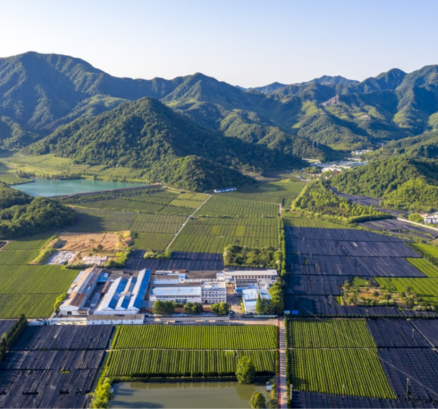
In the hills of Shaoxing, one of China's historic tea-growing regions, Yucha Village is reimagining how agriculture and nature can flourish together. Across its 6,000-acre ecological matcha plantation, more than 450 recorded species share the landscape with tea, showing how biodiversity can strengthen both healthy ecosystems and high-quality food production.

Inspired by the United Nations Decade on Ecosystem Restoration (2021–2030), this programme introduces students to Nature-Based Solutions (NbS) through hands-on biodiversity research, conversations with tea growers and ecological experts, and the design of a biodiversity phenology calendar that supports citizen science and long-term ecological observation.
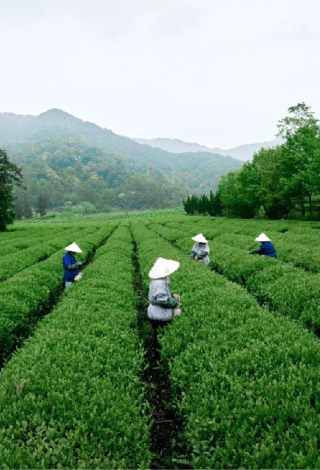

Shaoxing, Zhejiang
Programme 1
Programme 2
Programme 3

Key Highlights

Explore a Living Matcha Landscape

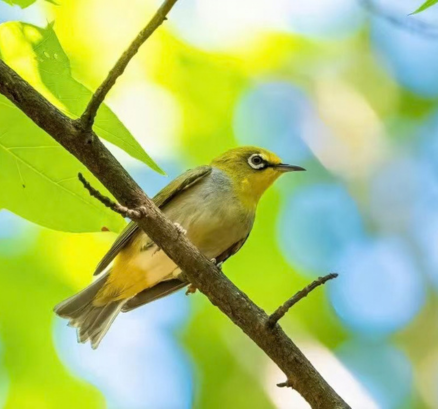
Walk through a 6,000-acre ecological matcha plantation where more than 450 recorded species of birds, insects, amphibians, reptiles and plants thrive alongside tea, discovering how biodiversity supports a healthy farming ecosystem.

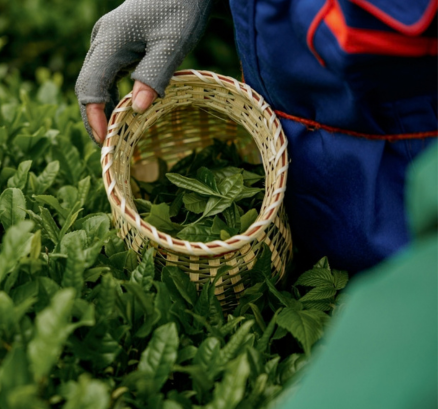
Go Behind the Scenes of Sustainable Matcha

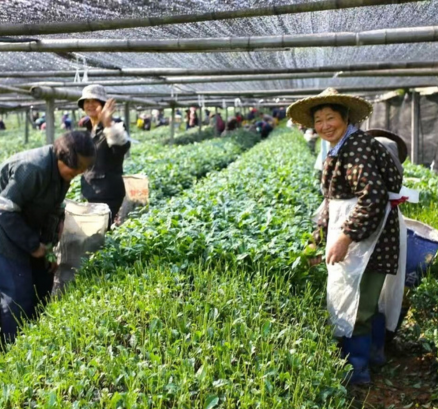
Meet tea growers and sustainability practitioners to discover how biodiversity, ecological farming and innovative management come together to produce premium matcha while protecting wildlife and healthy ecosystems.

Survey Wildlife Across the Tea Landscape

Investigate biodiversity across forests, reservoirs and tea fields to discover how wildlife and agriculture thrive together within a working tea plantation.

Design a Biodiversity Phenology Calendar

Combine ecological observations, creative design and community research to create a biodiversity phenology calendar that encourages year-round nature observation and public engagement.

←→

Itinerary

Biodiversity · Matcha · Nature-Based Solutions
Before You Travel | Online Orientation
Meet your programme leaders and explore the United Nations Decade on Ecosystem Restoration (2021–2030), Nature-Based Solutions (NbS) and the unique biodiversity of Yucha Village's ecological matcha plantation.
Day 1 Shaoxing
Matcha, Climate & Nature-Based Solutions
Explore Yucha Village and discover the history of its ecological matcha plantation. Meet the people behind the plantation, take part in the internationally recognised Climate Fresk workshop, and learn how Nature-Based Solutions (NbS) are helping agriculture and biodiversity thrive together.
Day 2 Shaoxing
Surveying Biodiversity
Learn professional biodiversity survey techniques before conducting field investigations across tea fields, reservoirs and surrounding habitats to explore how different ecosystems support wildlife within a working tea plantation.
Day 3 Shaoxing
Communities & Design
Meet local tea growers, farmers and community members to understand how biodiversity shapes everyday life. Investigate community needs before developing ideas for your biodiversity phenology calendar using design thinking.
Day 4 Shaoxing
Showcase & Reflection
Present your final biodiversity phenology calendar to tea growers and community representatives, reflect on your learning journey, and depart Shaoxing.

Safeguarding & Practical Care

The programme is designed with student wellbeing and safety in mind. All routes, venues and activities are planned in advance, with trained staff accompanying students throughout the journey.

Safety

  • Staff-to-student ratio of at least 1:5
  • Programme leaders, subject mentors and safety coordinators on site
  • 24-hour emergency response
  • Pre-inspected venues and activity plans
    Licensed transport and professional drivers

Health

  • Full programme insurance coverage
  • Meals included, with local food experiences in Shaoxing
  • Dietary requirements and allergies accommodated with advance notice

Accommodation

  • Accommodation arranged in quality hotels or guesthouses, depending on location

Detailed safeguarding arrangements, insurance information and risk assessment procedures are available upon request.

FAQ

Who is this programme for?

This programme is designed for students aged 15–18 interested in biodiversity, sustainable agriculture, citizen science and nature-based solutions.

What will students produce?

Students will design and present a biodiversity phenology calendar combining ecological observations, creative design and community research to support year-round nature observation.

Is prior experience required?

No prior experience is required. The programme provides guidance on biodiversity survey techniques and design thinking throughout.

How is student safety managed?

Student safety is managed with a staff-to-student ratio of at least 1:5, 24-hour emergency response, and pre-inspected venues.

What is typically included in the programme arrangement?

The programme includes accommodation, meals, transportation, activities, and insurance coverage.

Can dietary requirements be accommodated?

Yes, dietary requirements and allergies can be accommodated with advance notice.

Can we receive a full itinerary and fee details?

Yes, the full itinerary and fee details are available upon request through our contact form.

Ready to Learn More?

Request the full itinerary or speak to our programme team about group bookings, school partnerships and customised learning journeys.

Contact Us